

-
 Manu Sareen
 -
 17-07-2026
Hotel Cleaning Services in London: What to Expect From a ...
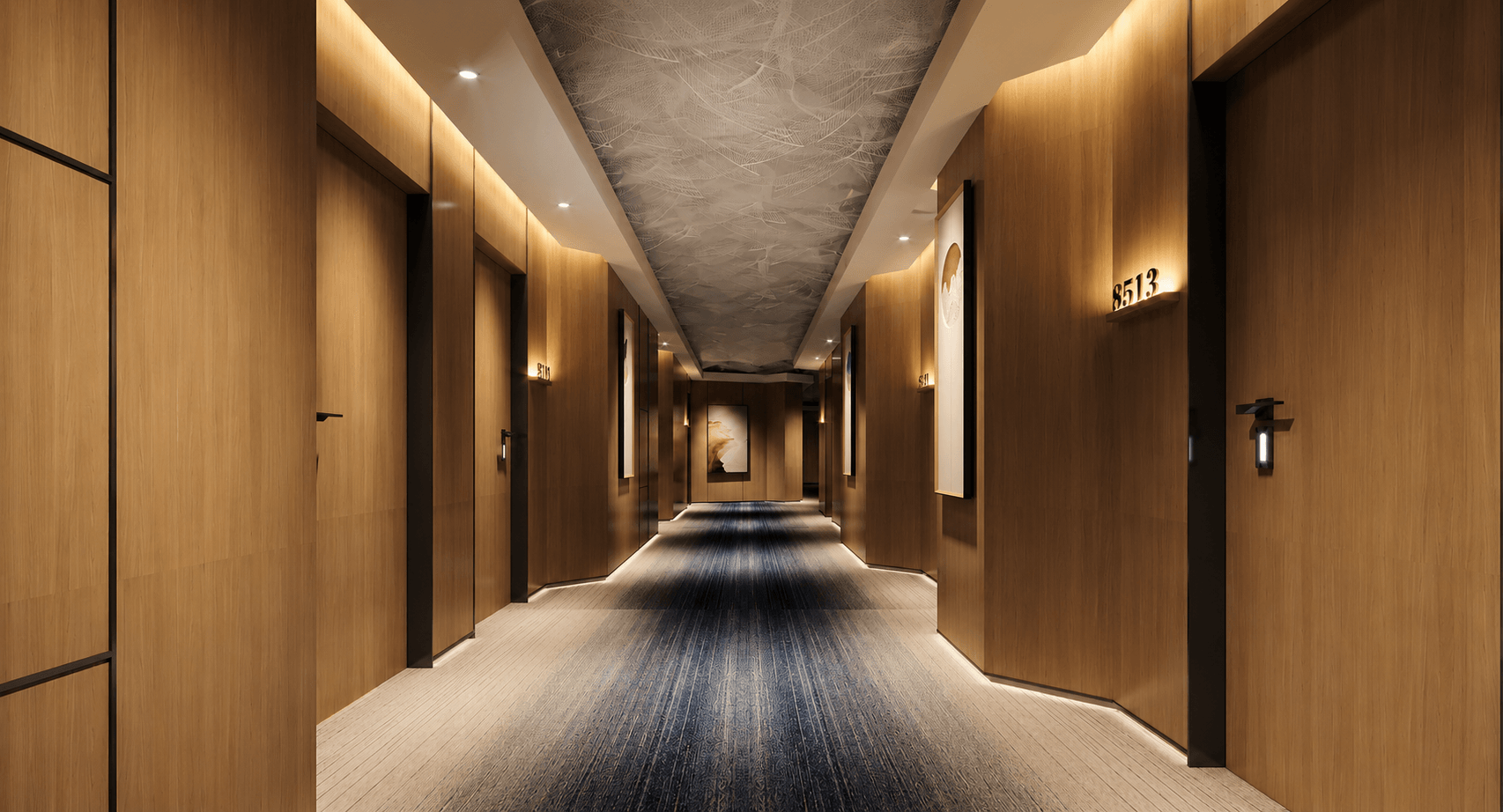
Walk into a hotel room that has not been cleaned properly and you know within seconds....
Read More

 20 March 2026, 05:35:38 GMT
Post by: Manu Sareen
20 March 2026, 05:35:38 GMT
Post by: Manu Sareen
If you manage a commercial property, office building, hotel, or retail space in the UK, the way your facilities are cleaned is about to change - and for many businesses, it already has.
Robotic cleaning technology has moved from a futuristic concept to a practical, cost- effective reality for the UK facilities management sector. Autonomous floor scrubbers, AI- guided cobots, and IoT- connected hygiene monitoring systems are now being deployed across offices, shopping centres, airports, and health clubs across Britain.
But what does this actually mean for your cleaning contract? And how can businesses like yours benefit - without getting lost in the jargon?
In this guide, we break down exactly what robotic and AI- powered cleaning technology looks like in practice, why it matters for UK commercial properties in 2026, and what to look for when choosing a forward- thinking cleaning partner.
|
Key Stat Over 28% of UK cleaning professionals now say robotic cleaning will be the biggest industry trend of 2026 - up from just 2% the previous year. (Robert Scott Annual Cleaning Survey, 2026) |
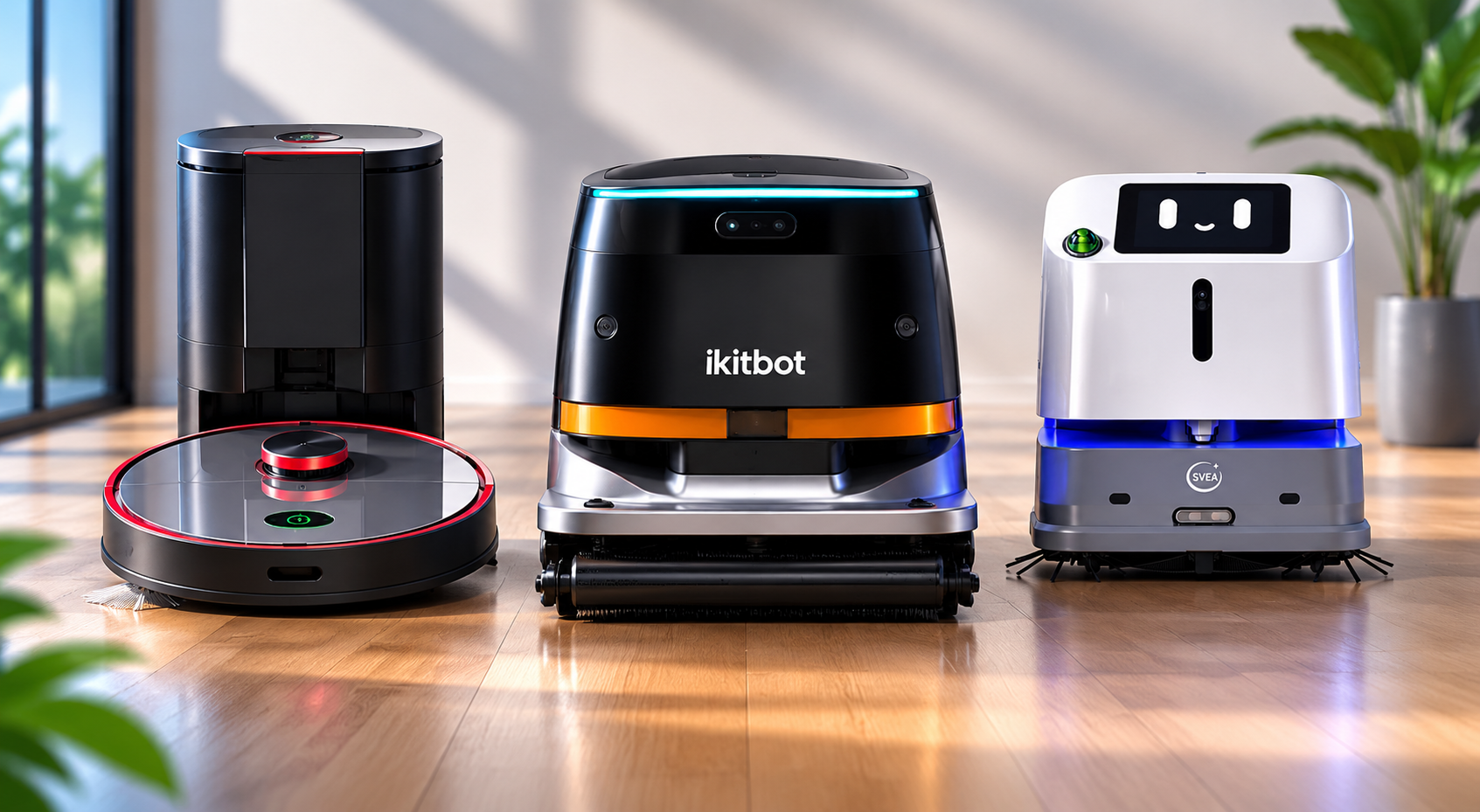
Robotic cleaning technology refers to autonomous or semi- autonomous machines that carry out cleaning tasks with minimal human intervention. These range from simple automated vacuum systems to sophisticated AI- guided scrubber dryers that can map entire warehouse floors, avoid obstacles, and self- return to charging stations.
.webp?width=373&height=336&name=undefined-Mar-20-2026-05-17-43-3545-AM%20(1).webp)
In commercial settings, you're most likely to encounter three core types:
Often called 'cobots' (collaborative robots), these machines work alongside human cleaning operatives rather than replacing them. They handle repetitive, physically demanding floor tasks - vacuuming, scrubbing, and mopping large surface areas - while your cleaning team focuses on the detail work: surfaces, touchpoints, and hygiene- critical areas that require human judgement.
Next- generation scrubber dryers use artificial intelligence to learn the layout of a building, optimise cleaning routes, and adjust water and detergent usage in real time. This dramatically reduces resource waste - a significant advantage for businesses committed to sustainability goals and reducing their environmental footprint.
Beyond physical robots, the Internet of Things (IoT) is quietly revolutionising how cleaning is managed. Sensors placed in washrooms, meeting rooms, and high- traffic corridors collect real- time data on occupancy levels, consumable usage, and cleaning frequency - allowing cleaning schedules to shift from fixed- time to demand- led.
|
Real- World Example IoT sensors in a London office block can detect that a particular meeting room has been used seven times before midday and automatically trigger an earlier cleaning visit - rather than waiting for the 3pm scheduled slot. The result: cleaner spaces, fewer complaints, and lower costs. |
The shift towards robotic and smart cleaning isn't happening in isolation. It's being driven by a perfect storm of pressures facing UK facilities managers in 2026:
Over 97% of UK cleaning companies say the increase in Employer National Insurance contributions has had a serious impact on their operations. Combined with the increase in the National Living Wage, the cost of traditional labour- intensive cleaning has risen significantly. Automation helps offset this - not by eliminating jobs, but by allowing fewer operatives to cover more ground more efficiently.
The shift to hybrid working means office occupancy is no longer predictable. Monday is quiet. Wednesday is packed. Traditional fixed cleaning schedules - inherited from a pre- pandemic era of reliable 9- to- 5 patterns - are now inefficient and costly. IoT- driven, demand- led cleaning is the logical response.
Post- pandemic, both employees and clients now expect demonstrably higher hygiene standards. Robotic systems that produce digital cleaning logs and compliance reports give facilities managers tangible proof of service - something increasingly demanded in commercial cleaning services contracts.
If your business has ESG targets or is working towards net zero, your cleaning partner's environmental credentials matter. Robotic systems optimise water and chemical usage, generate less waste, and produce measurable data for sustainability reporting - all of which contributes to your own carbon reduction goals.
It's important to be clear: robotic cleaning technology is not a silver bullet, and it certainly isn't replacing skilled human cleaning operatives.
Machines excel at large, open, predictable surfaces. They cannot - and should not - replace human attention on:
The most effective commercial cleaning services operations in 2026 combine robotic efficiency for routine tasks with skilled human operatives for detailed work - a model Green Facilities has been developing through our Robotics & Innovation programme.
If you're reviewing your cleaning contract in 2026, here are the questions you should be asking any potential provider:
Ask about digital reporting systems, IoT hygiene monitoring, or cleaning management software. Providers still working from paper- based inspection sheets are operationally behind.
A good modern cleaning company should be able to show you occupancy- based data, cleaning frequency reports, and consumable usage statistics - not just a verbal assurance that 'it was done'.
Look for ISO 9001 (quality management), ISO 14001 (environmental management), and ISO 45001. These aren't just badges - they're evidence of the operational systems needed to integrate technology responsibly.
Ask specifically about their cleaning product range, water usage, and whether they have a carbon reduction plan. Robotic systems are more environmentally responsible - but only if the company using them is committed to green practices across the board.
|
Green Facilities' Approach At Green Facilities, our Robotics & Innovation programme integrates autonomous cleaning technology with our established eco- friendly cleaning methods. We use digital QA systems, provide transparent cleaning reports, and our team is trained to work alongside smart cleaning equipment. Explore our innovation page to find out more. |
Robotic cleaning technology in the UK is still in its early- majority phase - widespread enough to be proven, but early enough that adopting it now gives your business a genuine competitive advantage. Here's what's on the horizon:
The global cleaning robot market, valued at $14.8 billion in 2025, is forecast to reach $96.8 billion by 2035 - a trajectory that underlines just how central automation will become to commercial facilities management.
Robotic and AI- powered cleaning technology is no longer a novelty for large corporations with unlimited budgets. It is becoming the operational standard for any cleaning company serious about delivering consistent results, managing costs responsibly, and supporting their clients' sustainability commitments.
For UK businesses reviewing their facilities contracts in 2026, the question isn't whether to engage with cleaning technology - it's whether your current provider is equipped to offer it.
At Green Facilities, we believe the future of commercial cleaning is cleaner, smarter, and greener - and we're building it today. If you'd like to discuss how our innovative cleaning approach can work for your premises, contact our team for a free facilities consultation.
Ready to upgrade your cleaning contract?Get a free quote from Green Facilities - London's eco- certified commercial cleaning specialists. |
Our team is ready to assist you with any questions you may have. Please feel free to reach out with any questions or concerns, and we will get back to you as soon as possible.
 Manu Sareen
17-07-2026
Manu Sareen
17-07-2026Walk into a hotel room that has not been cleaned properly and you know within seconds....
Read More
.png) Manu Sareen
02-07-2026
Manu Sareen
02-07-2026"Eco-friendly” is one of the most overused words on a cleaning services label - and one...
Read More
 Manu Sareen
17-06-2026
Manu Sareen
17-06-2026Walk into a competitor's office and the thing you notice before you notice anything else...
Read More
 Manu Sareen
26-05-2026
Manu Sareen
26-05-2026Ask any Environmental Health Officer what keeps them up at night and they will tell you:...
Read More
 Manu Sareen
11-05-2026
Manu Sareen
11-05-2026We want to be upfront about something. When we first started exploring autonomous...
Read More
 Manu Sareen
22-04-2026
Manu Sareen
22-04-2026Most businesses spend thousands ensuring their reception looks immaculate and their...
Read More
 Manu Sareen
31-03-2026
Manu Sareen
31-03-2026Walk into a well-maintained office and you feel it immediately - fresh air, clear...
Read More
Manu Sareen
20-03-2026If you manage a commercial property, office building, hotel, or retail space in the UK,...
Read More
 Manu Sareen
27-02-2026
Manu Sareen
27-02-2026In an industry where trust, consistency, and accountability underpin every client...
Read More
 Manu Sareen
06-02-2026
Manu Sareen
06-02-2026When regular cleaning is no longer enough, deep cleaning services step in to restore...
Read More