 How much do office cleaning services cost in London?


-
 Manu Sareen
 -
 18-09-2026
Poolside Area Cleaning and Maintenance for Hotels and ...
A swimming pool is one of the most valued amenities a hotel or health club can offer, and...
Read More

 31 March 2026, 13:14:36 BST
Post by: Manu Sareen
31 March 2026, 13:14:36 BST
Post by: Manu Sareen
Walk into a well-maintained office and you feel it immediately - fresh air, clear surfaces, floors that don’t catch the light with grime. Walk into a poorly cleaned one and you feel that too, whether you notice it consciously or not.
|
In this guide: What professional office cleaning services actually include, how to build the right cleaning schedule for your workplace, what your contract should cover, how eco-friendly cleaning works in practice, and what to look for when choosing an office cleaning company in London. |
For businesses operating in London, office cleanliness is never just a housekeeping matter. It shapes how clients perceive you, how employees feel about coming to work, and whether your space meets the health and safety standards expected of any UK employer. And yet, choosing the right professional office cleaning service - and managing that relationship effectively - is something many businesses get wrong.
This guide covers everything you need to make a confident, informed decision in 2026: what office cleaning services include, how to spec your cleaning schedule, what a good contract looks like, and why the greener choice is increasingly also the smarter one.
The term “office cleaning” covers a wide range of tasks, and what’s included varies significantly between providers. Before signing any contract, it’s worth being clear on the difference between routine cleaning, periodic cleaning, and deep cleaning - because conflating them is one of the most common sources of dissatisfaction.
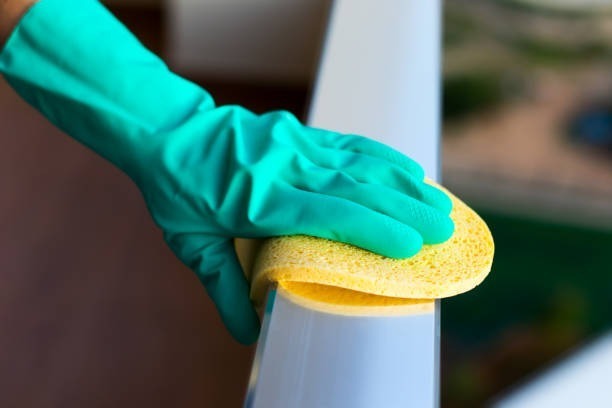
This is the core of most commercial office cleaning contracts in London. Typically carried out before staff arrive in the morning or after they leave in the evening, routine cleaning covers:
In a hybrid office where attendance fluctuates day by day, a good provider should be able to flex the frequency and scope of cleaning around actual usage - not just show up on a fixed schedule regardless of whether the space was used.
Beyond the daily routine, certain tasks need less frequent but equally professional attention:
Distinct from routine maintenance, a professional office deep clean tackles the build-up that day-to-day cleaning doesn’t reach - behind furniture, beneath carpets, inside kitchen equipment, and along skirting boards and coving. Most London businesses schedule these annually, on a change of tenancy, or following a high-traffic event.
|
Not sure whether you need a deep clean or a routine service? A quick rule of thumb: if it’s been more than 12 months since a thorough clean, or if you’re noticing odours, heavy carpet soiling, or grease build-up in the kitchen, it’s time for a deep clean first. |
There’s no single right answer - frequency depends on the size of your team, the nature of your work, and how much foot traffic your space sees. Here’s a practical starting framework for London businesses:
|
Office type |
Recommended cleaning frequency |
|
Small office (1–10 people, hybrid) |
2–3 times per week |
|
Medium office (10–50 people, 4–5 days in office) |
Daily |
|
Large open-plan office (50+ people) |
Daily, with additional daytime cover |
|
Office with client-facing reception or meeting rooms |
Daily as minimum; pre-meeting refresh recommended |
|
Any office with a canteen or full kitchen |
Daily kitchen clean as separate scope item |
It’s also worth reviewing frequency whenever your occupancy pattern changes significantly. The rise of flexible working means many London businesses are over-cleaning empty floors on low-attendance days while under-cleaning on peak days. A reputable office cleaning company in London should help you calibrate this - and IoT-based occupancy monitoring is increasingly being used to drive smarter, demand-led scheduling.
The move toward green office cleaning has shifted from a nice-to-have to an increasingly mainstream expectation - particularly for businesses with ESG reporting obligations or sustainability commitments.
Traditional cleaning products can contain volatile organic compounds (VOCs), harsh disinfectants, and synthetic fragrances that affect indoor air quality and contribute to chemical runoff. In a modern workplace with good ventilation but sealed windows, these chemicals can linger at concentrations that affect how people feel and think during the working day.
Eco-friendly alternatives - plant-based detergents, biodegradable disinfectants, microfibre-based cleaning methods that reduce water and chemical usage - achieve the same or better hygiene outcomes while removing this concern. At Green Facilities, we have used environmentally responsible products since our founding, and our EcoVadis Bronze accreditation and B Corp certification reflect this long-standing commitment.
In 2026, with UK Simpler Recycling regulations requiring workplaces to sort waste streams consistently, your cleaning provider’s waste-handling approach directly affects whether your business stays compliant.
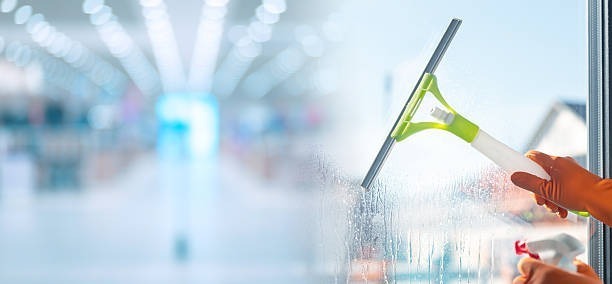
One of the most common mistakes London businesses make when procuring office cleaning services is not specifying enough detail upfront - and then being disappointed when the service doesn’t match expectations. A well-structured contract protects both sides and leaves nothing to interpretation.
Here are the key elements every office cleaning contract should address:
A detailed, room-by-room breakdown of what will be cleaned, how often, and to what standard. Vague terms like “general cleaning” are not enough. Each area - desks, kitchen, washrooms, reception, meeting rooms - should have its own listed tasks and frequency.
When will cleaning take place? Out of hours? During the working day? Who holds keys or access codes? What happens to scheduling when the office is closed for a bank holiday? These logistics matter more than people realise until something goes wrong.
Will the cleaning company supply their own products and equipment, or use yours? If theirs, you should have the right to know what’s being used - particularly if you have green procurement policies or staff with chemical sensitivities.
Who will be cleaning your office? Are they directly employed or subcontracted? What background checks are conducted? For London offices handling sensitive data or operating in regulated sectors, DBS checks and confidentiality procedures are non-negotiable.
How does the provider measure and report on quality? Is there a dedicated point of contact? What’s the process for raising a complaint or requesting a re-clean? Regular audits and a named account manager are signs of a professional operation.
Public liability insurance (minimum £5 million for UK commercial cleaning) and employers’ liability cover should be in place and verified, not just asserted.
Be cautious of very long initial contract periods (more than 12 months) without a performance review clause. A reputable cleaning company should be confident enough in its service that a fair exit clause isn’t a concern.
Workplace infection control has received more scrutiny in recent years, and for good reason. An average office desk carries significantly more bacteria than a toilet seat - and high-touch surfaces such as keyboards, door handles, lift buttons, and shared kitchen equipment are transmission hotspots that standard daily cleaning alone won’t fully address.
A professional office cleaning service should incorporate infection control thinking into its standard protocols, not just as a reactive measure. This means:
If your office has experienced a norovirus outbreak, a respiratory illness cluster, or any incident requiring enhanced hygiene, a targeted infection prevention clean goes beyond the routine to provide documented assurance that the environment is safe to return to.
Under the Control of Substances Hazardous to Health (COSHH) Regulations, any business using or overseeing the use of cleaning chemicals has legal duties. In practice, this means your office cleaning company should:
When you outsource cleaning, the legal responsibility doesn’t disappear entirely from your side - you retain a duty to ensure the contractors working on your premises are compliant. Asking to see a provider’s COSHH documentation before signing a contract is entirely reasonable, and any reputable company will provide it without hesitation.
London has hundreds of commercial cleaning companies - the challenge isn’t finding one, it’s finding the right one for your specific workplace. Here’s a practical checklist:
Look for ISO 9001 (quality management), ISO 14001 (environmental management), and Safe Contractor or Alcumus SafePay accreditation. B Corp certification and EcoVadis ratings signal a broader commitment to responsible practice. These aren’t just badges - they require ongoing independent audits.
Cleaning a law firm’s open-plan office is different from cleaning a digital agency’s creative studio or a financial services firm’s trading floor. Ask for references from similar environments - not just testimonials, but client contacts you can actually speak to.
A locally based team means faster response times for reactive cleans and easier communication. Check whether the company has its own London-based management and whether the cleaning staff assigned to your office are genuinely local.
Be wary of very low quotes that don’t reflect the true scope of work - they usually mean shortcuts somewhere: underpaid staff, reduced chemical quality, or fewer hours than specified. A fair quote breaks down costs clearly and invites scrutiny.
You should have a named account manager, not just a call centre number. Test responsiveness during the sales process - if they’re slow to communicate before they have your business, that pattern rarely improves once the contract is signed.
For businesses with ESG commitments or sustainability targets, your cleaning company is a supply chain partner. Check their environmental policies, ask about their Living Wage accreditation, and find out how they treat their staff. In 2026, your stakeholders - and increasingly your auditors - may ask.
|
Get a tailored quote for your London office Green Facilities provides professional, eco-certified office cleaning services across London.B Corp certified, EcoVadis accredited, and trusted by businesses since 2010. |
Use this as a starting point when scoping your own cleaning requirements or reviewing an existing contract.
|
Area / Task |
Daily |
Weekly |
Monthly |
Quarterly |
|
Empty and reline waste bins |
✓ |
|||
|
Vacuum carpeted areas |
✓ |
|||
|
Mop hard floors |
✓ |
|||
|
Wipe desks and workstations |
✓ |
|||
|
Sanitise kitchen surfaces & sink |
✓ |
|||
|
Clean and restock washrooms |
✓ |
|||
|
Disinfect door handles & lift buttons |
✓ |
|||
|
Clean internal glass & partitions |
✓ |
|||
|
Clean kitchen appliance exteriors |
✓ |
|||
|
Wipe skirting boards |
✓ |
|||
|
Deep clean kitchen appliances (inside) |
✓ |
|||
|
Hard floor polish or seal |
✓ |
|||
|
External window cleaning |
✓ |
|||
|
Professional carpet cleaning |
✓ |
|||
|
Upholstery cleaning |
✓ |
|||
|
Air vent cleaning |
✓ |
Costs vary depending on office size, frequency, and scope. As a rough guide, a small London office (up to 1,000 sq ft) cleaned three times per week typically starts from around £300–£500 per month. Larger open-plan offices cleaned daily with additional specialist tasks will be priced individually. Always ask for a detailed, itemised quote rather than a single headline figure.
Yes - many cleaning companies offer daytime cleaning teams, which is increasingly common in hybrid workplaces with flexible attendance. Daytime cleaning also allows quality issues to be flagged and addressed immediately rather than discovered the next morning. It can also reduce the security burden of out-of-hours access.
Contract cleaning is a scheduled, regular service under a formal agreement - typically providing the best value and consistency. Ad-hoc or one-off cleaning is booked as needed, often at a higher per-visit rate, and is suited to occasional deep cleans, post-event clean-ups, or end-of-tenancy cleaning.
Most professional commercial cleaning companies supply everything themselves - cleaning products, microfibre cloths, mops, vacuum cleaners, and any specialist equipment. This is usually the preferred arrangement, as it ensures products are COSHH-compliant and staff are trained in their use. Confirm this upfront when requesting a quote.
Ask your staff - they’ll tell you quickly. Beyond that, look for visible dust on horizontal surfaces above eye level, grubby light switches and door plates, odours in the kitchen or washrooms, and carpet pile that looks matted rather than brushed. A professional cleaning audit or consultancy assessment can give you an objective benchmark.
For most London businesses, yes - particularly those with sustainability commitments, ESG reporting requirements, or staff who care about their working environment. Eco-certified providers use products that are safer for occupants, better for the environment, and - because they often use more efficient methods like microfibre - can actually reduce total chemical and water usage compared to conventional cleaning.
There’s a temptation to treat cleaning as purely operational - something to be procured at the lowest cost and left to run in the background. But the research is clear: the cleanliness of a workplace directly affects employee wellbeing, productivity, and perception of their employer.
A study cited by the British Institute of Cleaning Science found that employees in clean workplaces report higher job satisfaction and lower sick day rates. First impressions for clients and candidates visiting your London office are formed within seconds - and a clean, well-maintained space communicates professionalism before anyone opens their mouth.
In a competitive hiring market, where talented people have choices about where to work, the physical environment of your office matters more than it did a decade ago. Professional office cleaning services aren’t an overhead to be minimised - they’re an investment in how your business operates and presents itself every single day.
Our team is ready to assist you with any questions you may have. Please feel free to reach out with any questions or concerns, and we will get back to you as soon as possible.
 Manu Sareen
18-09-2026
Manu Sareen
18-09-2026A swimming pool is one of the most valued amenities a hotel or health club can offer, and...
Read More
 Manu Sareen
18-08-2026
Manu Sareen
18-08-2026Your gym floor is one of the highest-risk hygiene environments in commercial property....
Read More
 Manu Sareen
17-07-2026
Manu Sareen
17-07-2026Walk into a hotel room that has not been cleaned properly and you know within seconds....
Read More
.png) Manu Sareen
02-07-2026
Manu Sareen
02-07-2026"Eco-friendly” is one of the most overused words on a cleaning services label - and one...
Read More
 Manu Sareen
17-06-2026
Manu Sareen
17-06-2026Walk into a competitor's office and the thing you notice before you notice anything else...
Read More
 Manu Sareen
26-05-2026
Manu Sareen
26-05-2026Ask any Environmental Health Officer what keeps them up at night and they will tell you:...
Read More
 Manu Sareen
11-05-2026
Manu Sareen
11-05-2026We want to be upfront about something. When we first started exploring autonomous...
Read More
 Manu Sareen
22-04-2026
Manu Sareen
22-04-2026Most businesses spend thousands ensuring their reception looks immaculate and their...
Read More
Manu Sareen
31-03-2026Walk into a well-maintained office and you feel it immediately - fresh air, clear...
Read More
 Manu Sareen
20-03-2026
Manu Sareen
20-03-2026If you manage a commercial property, office building, hotel, or retail space in the UK,...
Read More